
Insulation and insulation stripping on electric motors
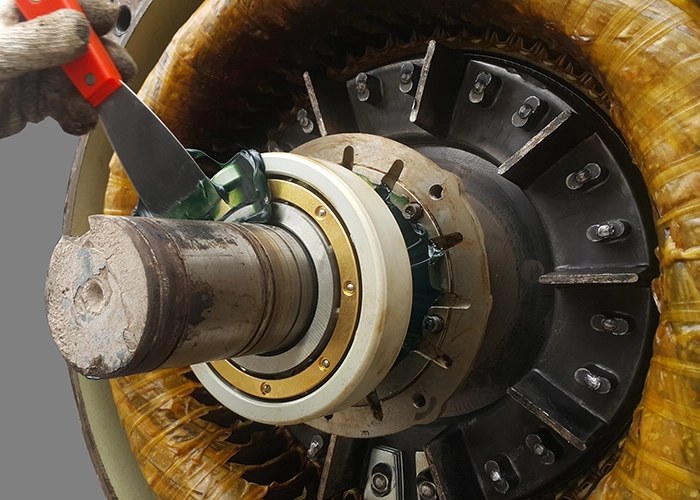
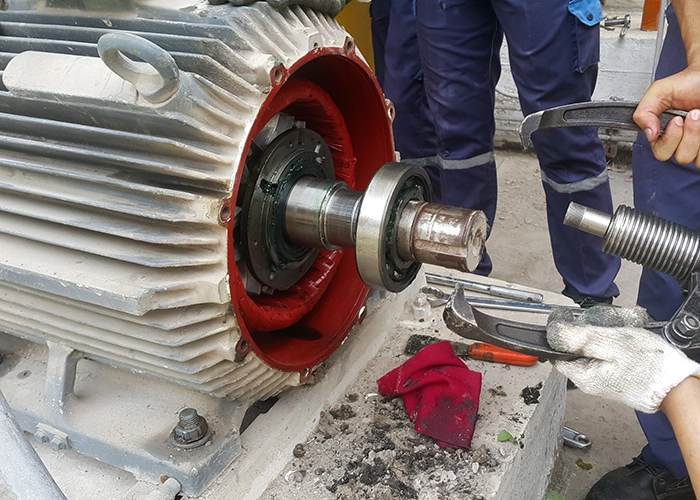
Electrical insulation is the layer of material that covers the copper wire of the windings and separates the different conductive parts of the motor. Insulation stripping, on the other hand, involves removing the existing insulation prior to motor rewinding.
These are two essential processes, as the current flowing through the stator and rotor windings that enables motor operation may cause short circuit, sparks and overheating if the copper wire is not properly insulated.
Electromotor carries out insulation and insulation stripping of electric motors, also performing insulation resistance testing to verify quality and reliability.
We work on motors from all over Italy and across Europe. Contact us!

Types of insulation
Electrical insulation of windings is performed on two levels: first, each individual copper wire is insulated with a layer of enamel resistant to heat and electrical stress. Second, the entire coil is insulated using:
-Varnish impregnation / VPI (Vacuum Pressure Impregnation) and epoxy resin impregnation: vacuum or oven processes that “fix” the coils, making them solid and resistant to heat and moisture
-Insulation papers and sheets: inserted into stator slots to separate coils from the core and improve mechanical insulation
-Insulation sleeves: used in connections between coils and the terminal box, where additional protection against vibration and friction is required
In addition, insulation is classified by class: the higher the class, the greater the temperature resistance. The main classes are Y, A, B and F, with temperature ratings of 55°C, 105°C, 130°C and 155°C respectively.


Testing for durable and stable insulation
Before installation, we perform insulation resistance testing to verify integrity and performance. The main tests include:
- Insulation resistance testing (Megger test): performed using a megohmmeter that applies DC voltage for approximately 1 minute to measure insulation resistance. A high value indicates good insulation, while a low value signals potential issues
- Polarisation index: similar to the Megger test, but with voltage applied for 10 minutes to assess insulation stability over time
- Hipot test / High-potential test: a test in which a voltage much higher than the operating voltage of the windings is applied to ensure the insulation withstands stress without discharge or failure
Contact Electromotor for professionally executed insulation on your industrial motors. Reach out to us from anywhere in Italy or across Europe.

